
Lele Lew
Web Developer
I'm a self-taught web developer with a background in startups and financial auditing. I like to research, understand, and build. My passion for development comes from seeing things work.
Works with (and am looking to learn more)




Projects
Prototype Mobile Widget
Designed and user tested a new interactive mobile website widget that increased engagement over 400%.
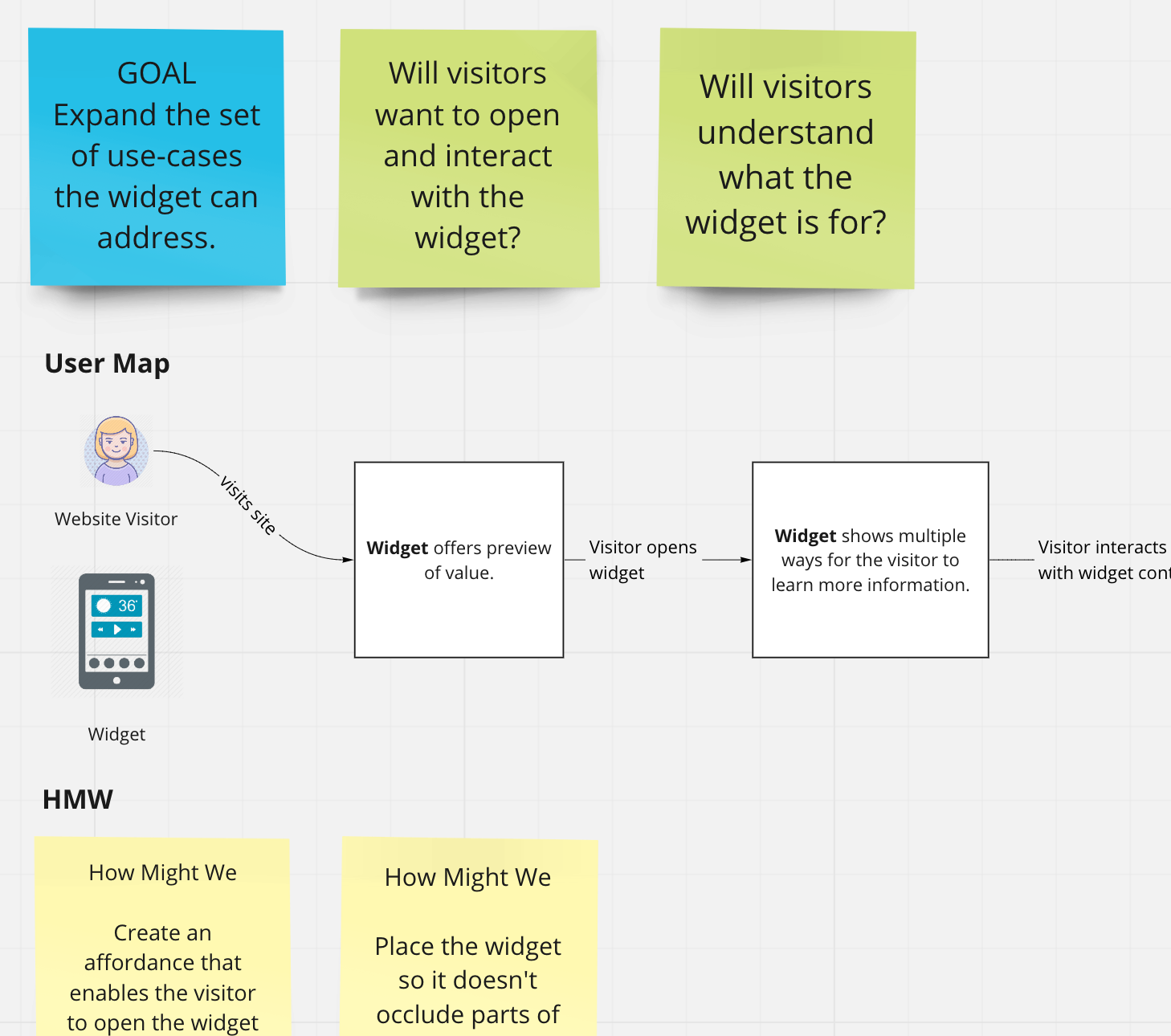
Step 1: Design Sprint
Running a design sprint at the outset enabled me to capture existing in-house knowledge, quickly generate a range of options, and make sure all stakeholders were aligned on a common goal for the project.
Step 2: Prototyping
Utilizing industry standard tools like create-react-app, NextJS and Material UI allowed me to build a functional version and iterate quickly while staying close to the actual production tool-chain.
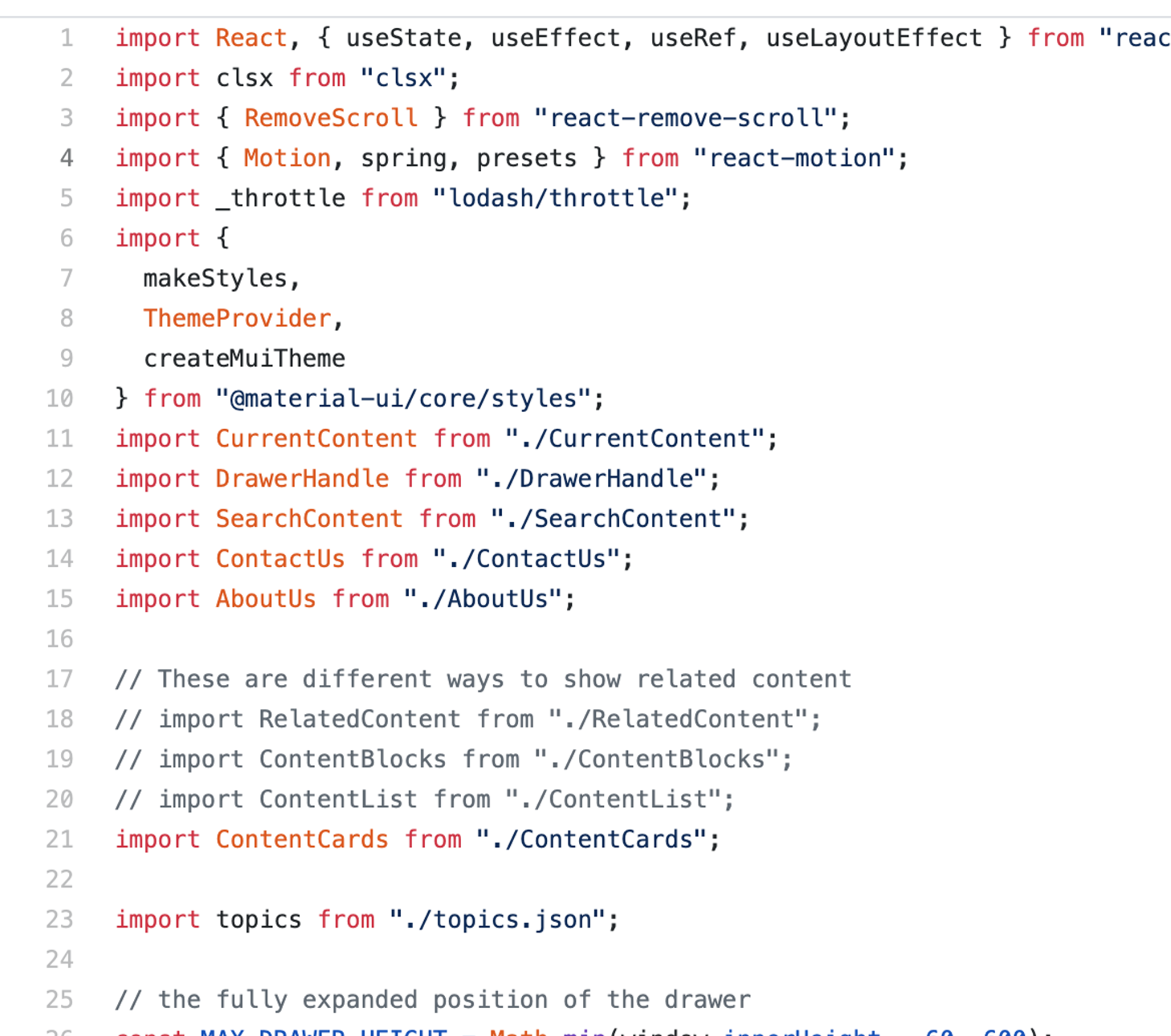
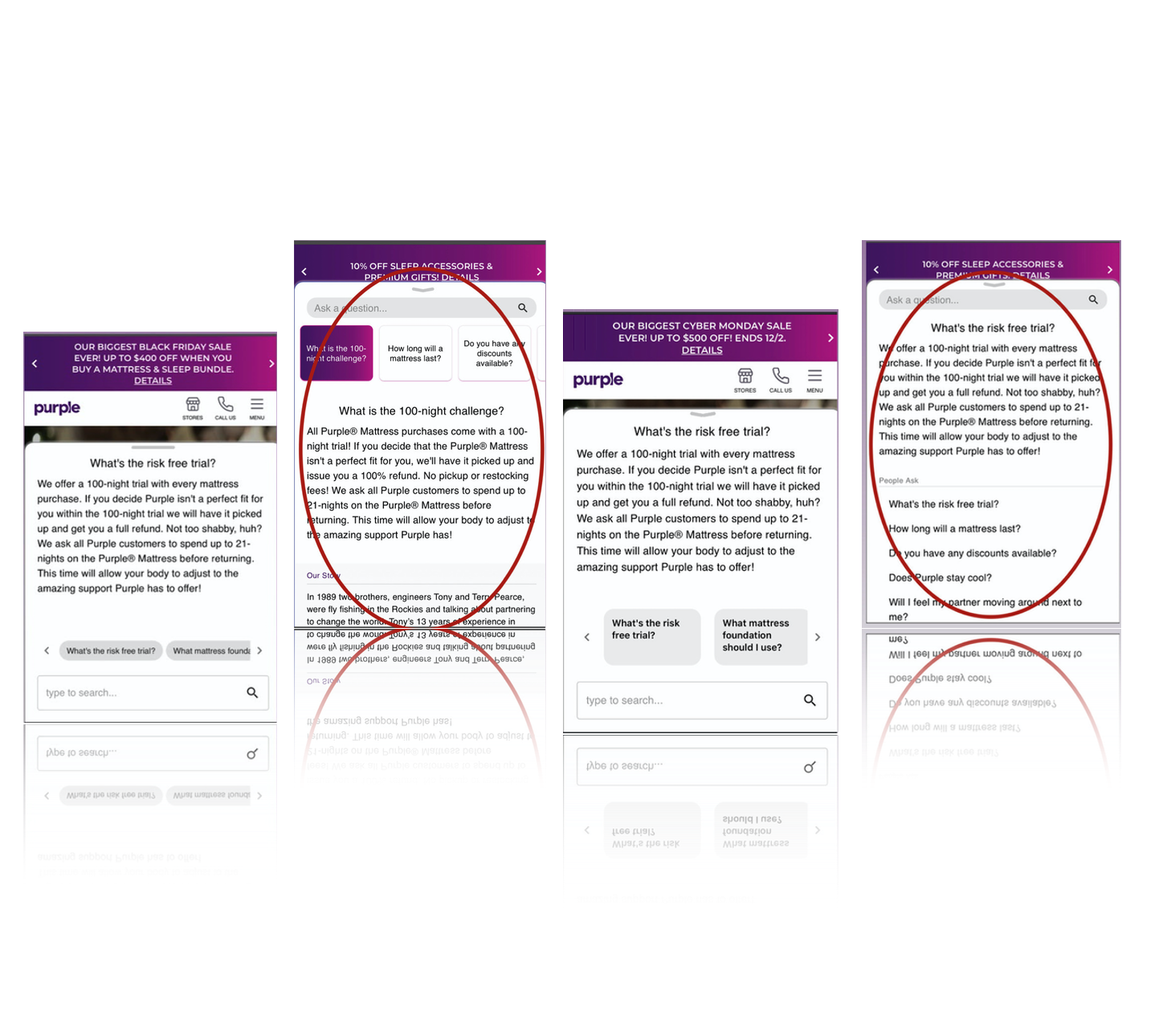
Step 3: User Testing
Seven different iterations were tested over 30 different user tests spanning a variety of demographics. I used a combination of task-based questions and after-task surveys to determine whether the prototype was achieving the goals.
Step 4: Production Build
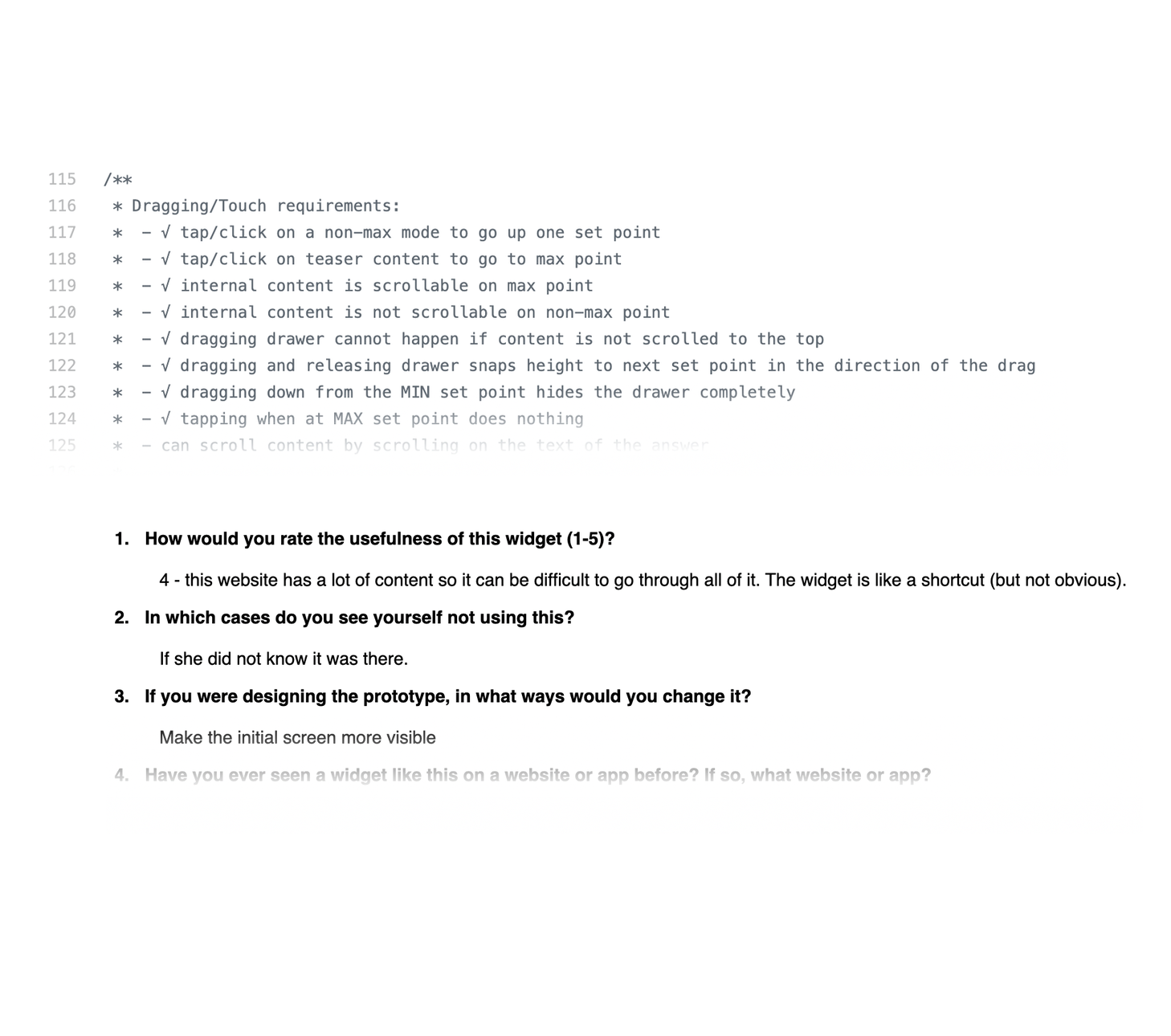
Detailed comments in the codebase as well as walkthroughs of the interaction and key user results enabled the development team to integrate the changes into their production codebase in minimal time.
Launch Results
After launching the new design, distribution of the widget increased dramatically as brands felt it complemented their site well. But most importantly, website visitors engaged with the widget over 400% more compared to the previous design.
Airtable Project Management App
Working on bringing Agile/Scrum Tools to Airtable.
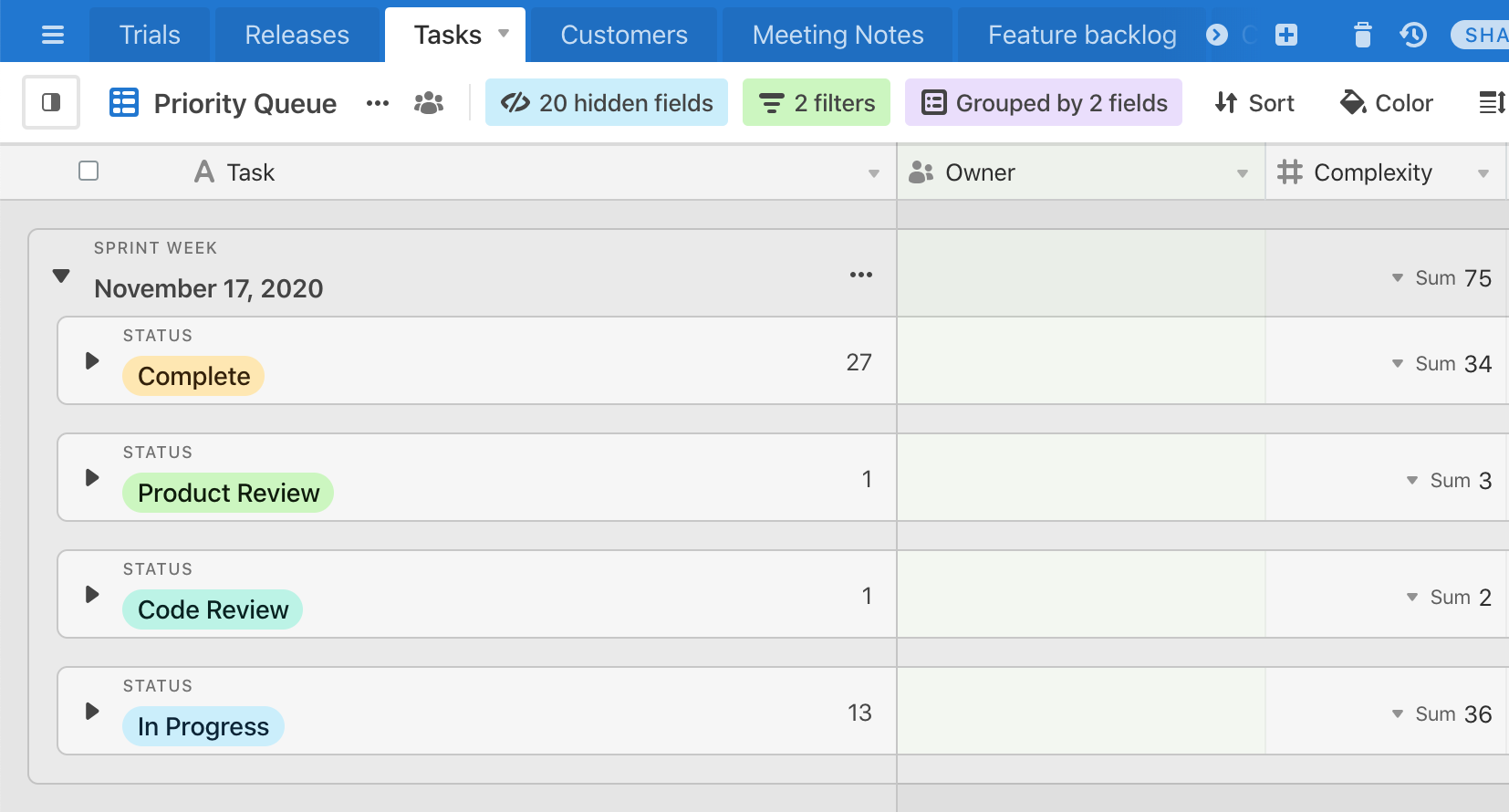
Background
Airtable is a data management app used by teams to manage all sorts of workflows in one place. With the release of their blocks SDK, you can now build and publish your own extensions. I was asked to add missing functionality for planning and managing Agile sprints.
Sprint Roll-Ups
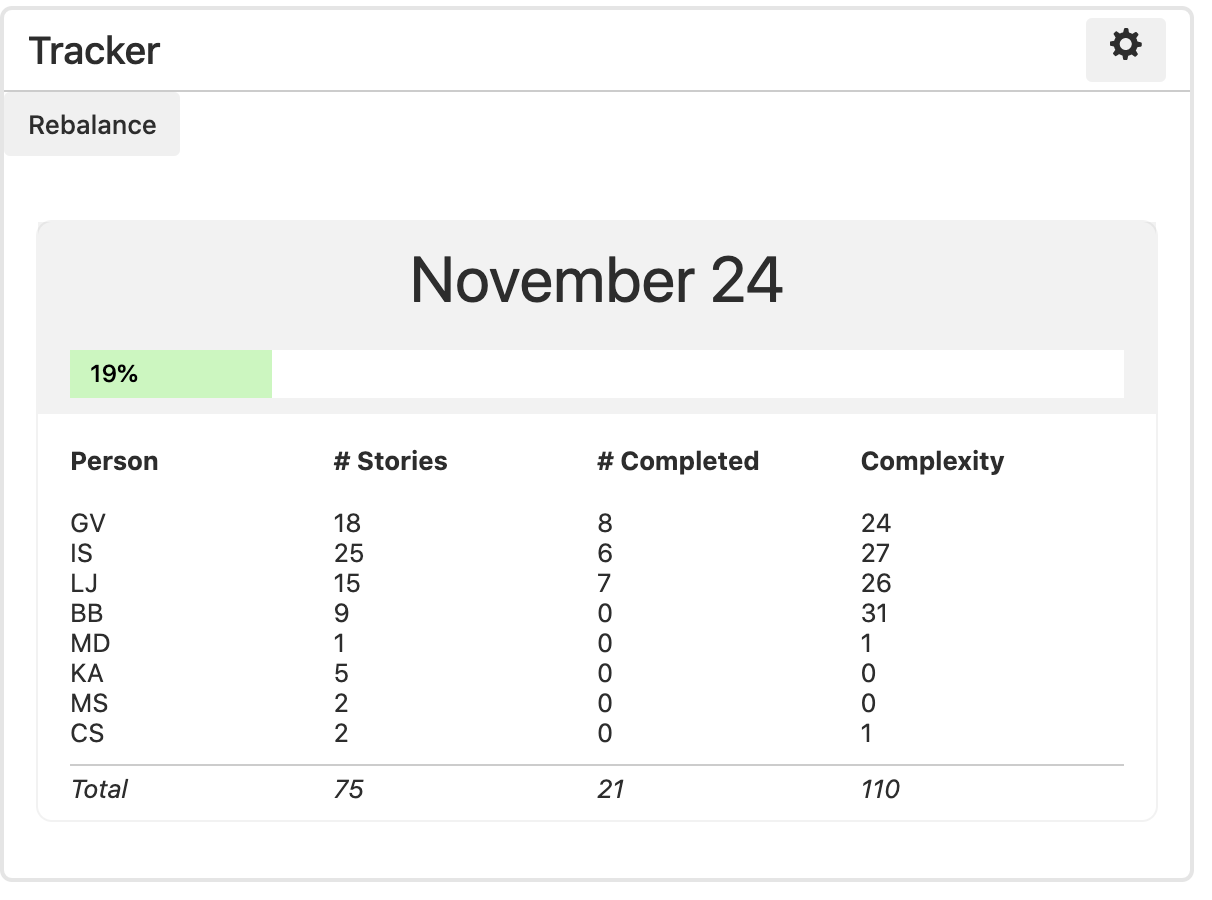
While Airtable has good grouping and summarization already, it was difficult to see an overview of allocated tasks and points across upcoming sprints. So the first place to start was adding a roll-up by person.
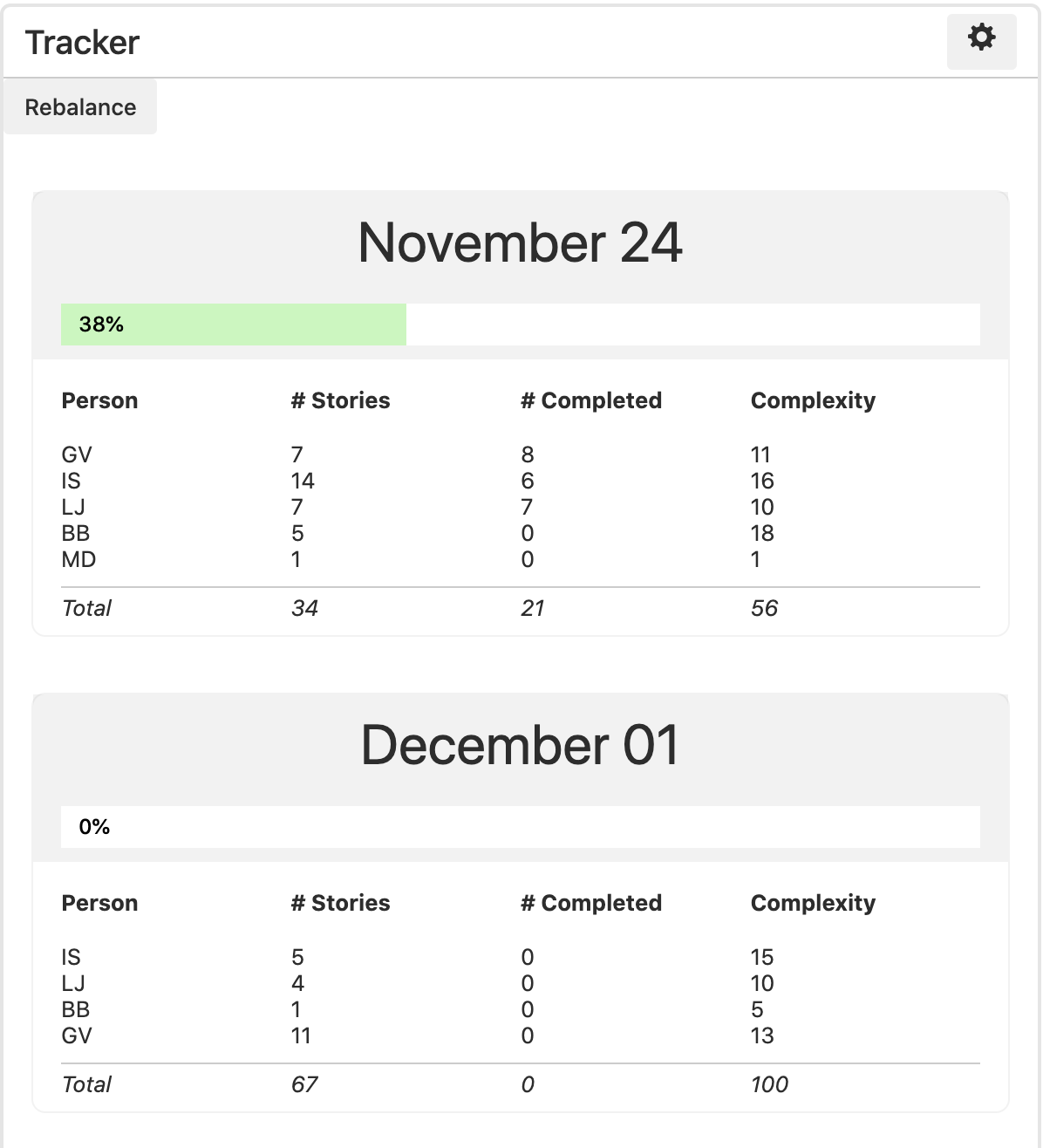
Predicting Completion Dates
One of the hardest things about planning sprints is allocating the right amount of stories per sprint for the team. The "rebalancing" feature allows you to set a max complexity per-sprint and it will redistribute tasks across upcoming sprints for you.
Configuration
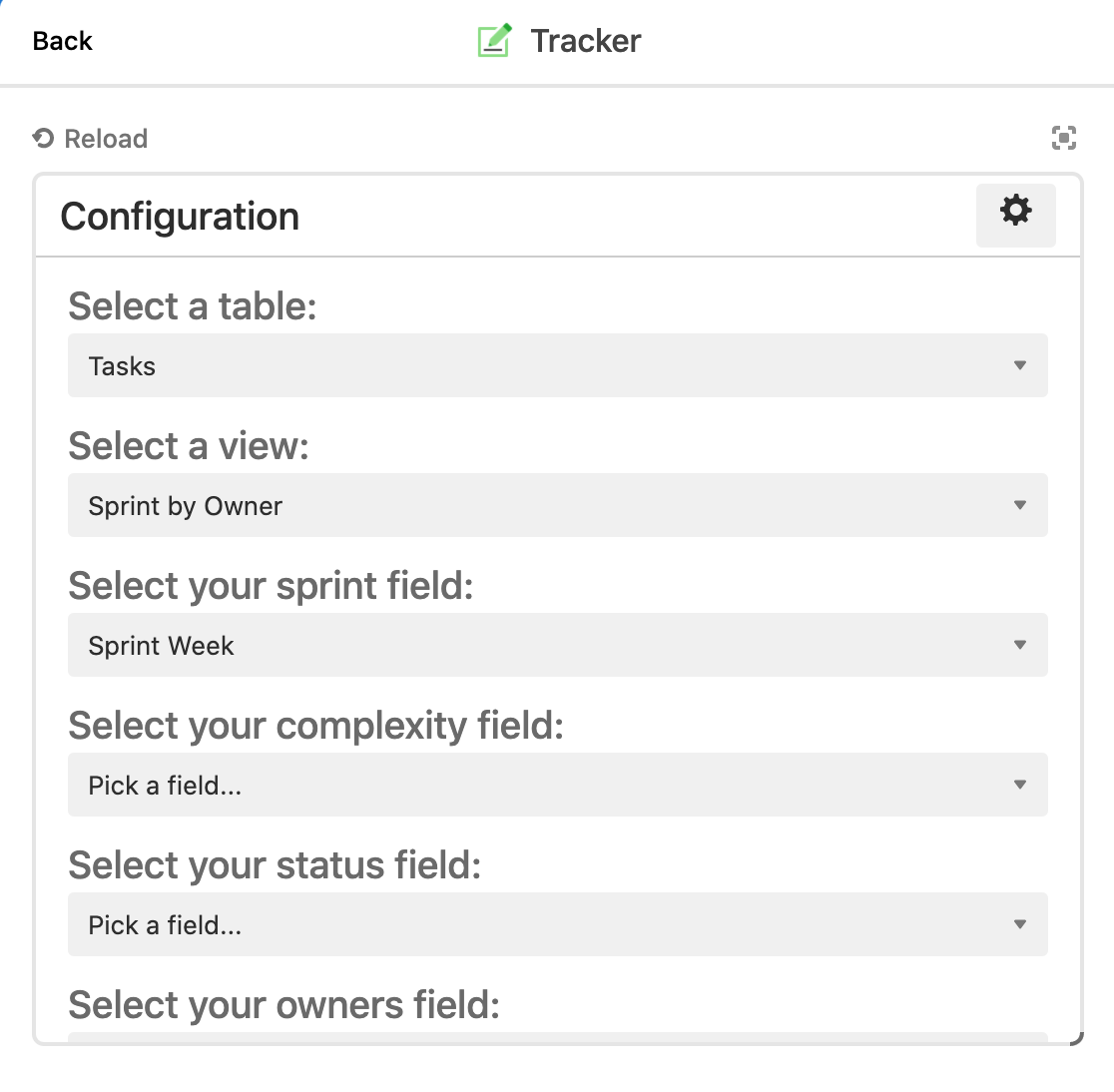
Because different teams customize their views, the app allows you to select the fields that represent concepts like "owner" and "complexity" instead of enforcing a particular naming scheme.
Next Steps
Future iterations of this Airtable app will take into account team velocity when rebalancing and offer burn-down charts for sprints.
Engineering Volunteer Work
Education.
2019 - Present
Software Engineering
I wanted to get my hands dirty and build the skillset needed to make the ideas come to life. I've been studying, learning, trying, testing and eventually started helping build web apps and sites. Ultimately, I want to use this skillset to help everyday people.
Courses & organizations I'm particularly grateful to have learned from:
- FreeCodeCamp, Quincy is an inspiration
- Women Who Code, the community is amazing
2014 - 2018
Startups & Consulting
Leaving my trained profession was scary, but ultimately extremely educational. During this time I cofounded a startup that grossed $300k in its first year, and learned how to help manage a small development consultancy spread across four continents.
2010 - 2014
Financial Auditing
Having trained in business economics, I started my career performing financial audits in Silicon Valley for startups, VCs and large private companies as part of a local accounting firm. The exposure to these businesses and how they work sparked my interest in startups and entreneurship.